

Wine Inventory Management: How to Know What to Buy, Hold, and Cut
Wine inventory management goes beyond counting bottles. Learn how sales, depletion, aging, turnover, and purchasing data can help restaurants decide which wines deserve more capital, more time, or removal from the program.

Beverage Cost Percentage: More Than the One Number Everybody Chases
Beverage cost percentage is one of the most watched numbers in restaurant operations, but the headline percentage only tells part of the story. Learn the formula, how to interpret it, and why blended COG, sales volume, gross profit, and inventory all matter.

When a Restaurant Has Too Much Money Tied Up in Wine
A deep wine cellar can be an asset, but it can also trap significant working capital. Learn how to identify overbuilt inventory, evaluate real demand, improve sell-through, and decide when capital needs to be recovered.

How Wine Consignment Works for Restaurants
Wine consignment can give restaurants access to rare and back-vintage bottles without the same upfront capital commitment as a traditional purchase. We break down how we’ve seen these relationships work, why collectors participate, and where the operational complexity begins.

Beverage Inventory Management: How to Know If Your Restaurant Inventory Is Healthy
Healthy beverage inventory is about more than counting bottles. Learn how restaurants can track purchasing, sales, turnover, aged inventory, and dead stock to make better buying decisions, protect cash flow, and build a more reliable beverage operation.
Beverage Is Your Biggest Opportunity
Beverage sales are down nationally, but that doesn't mean the opportunity disappeared. Most restaurants are running a beverage program, not managing one, and the gap between those two things is worth eighteen thousand dollars a year or more. Here's the math, the failure mode to avoid, and where to start.
Good Wine List Curation and List Performance Are Not the Same Thing.
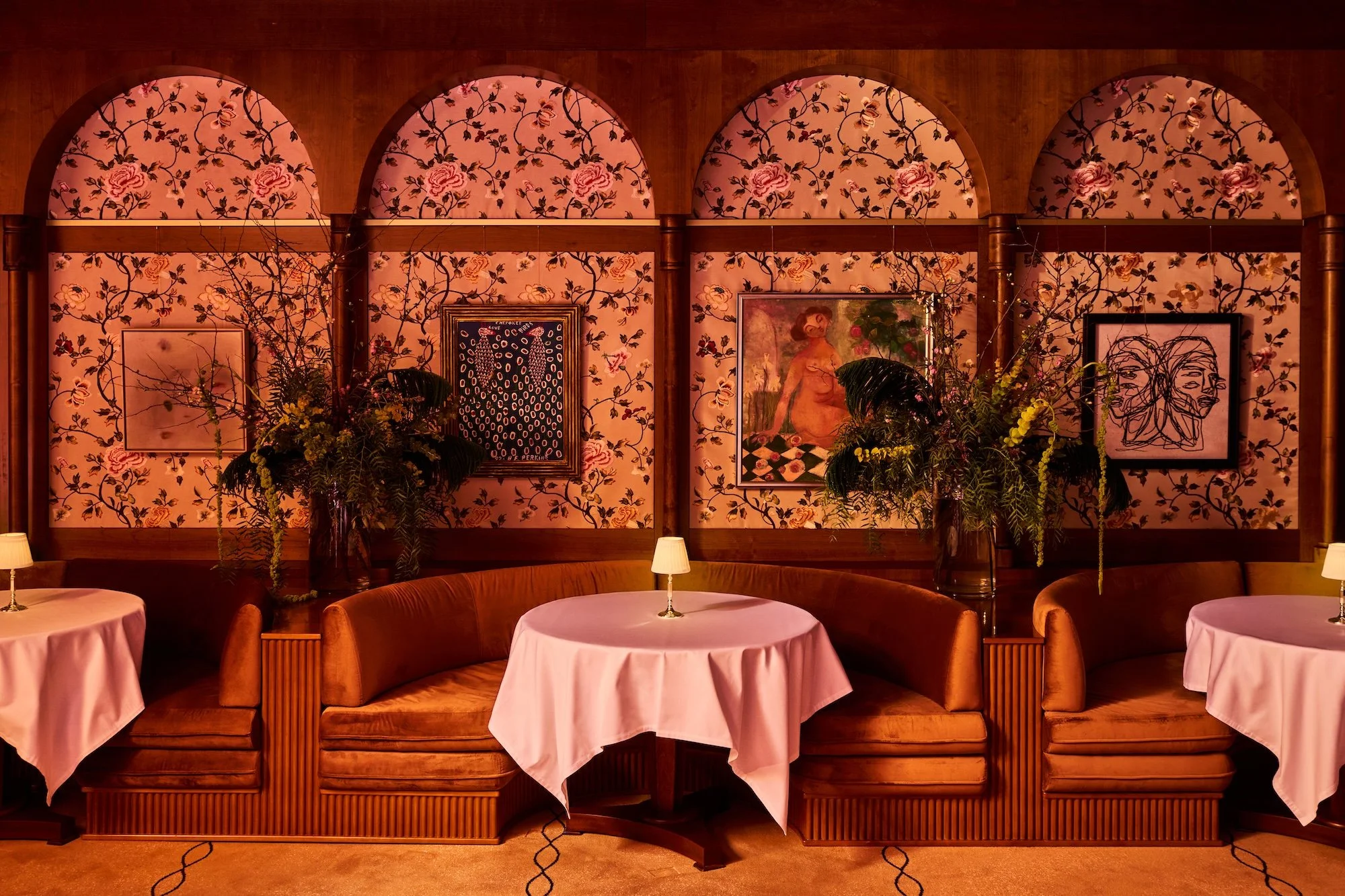
Café Zaffri has a wine director with a genuine point of view, honest prices, and a list full of serious producers. Brad Nugent and Patrick Wert walk through it and land on a verdict the industry rarely says out loud: a well-curated list is not the same thing as a list that makes money. The gaps are specific, the fixes are clear, and the lesson applies to every restaurant carrying wines that require a story before they sell.
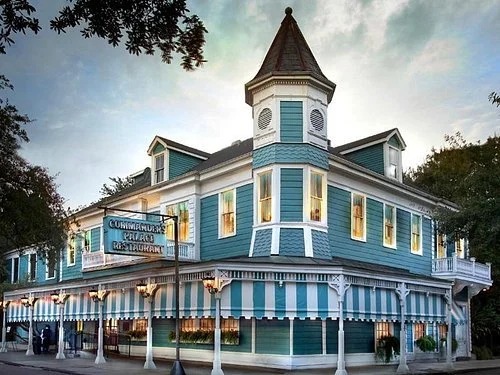
Wine List Value Hunting | Commander’s Palace New Orleans
Patrick Wert of Innovative Beverage Strategies went value hunting through the Commander's Palace wine list ahead of a group lunch in New Orleans. Six people, $500, four bottles, and a masterclass in how a century-old wine program is quietly built to sell.
Wine List Critique: Uchi Austin
Uchi Austin has the buying relationships, the producer credibility, and the room to run a serious wine program. What’s missing is the middle. Brad Nugent and Patrick Wert walk through the list and show exactly where the structure breaks down, and what a bell curve pricing approach to wine list design would unlock.
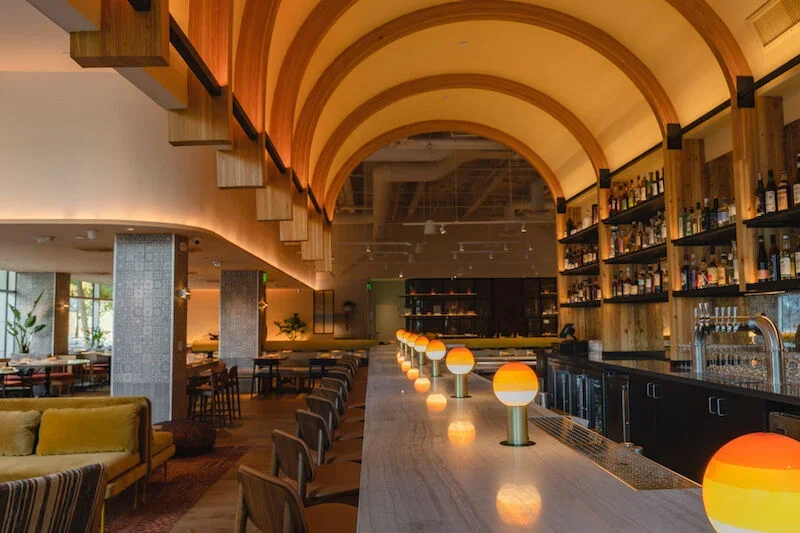
Wine List Critique: Callie, San Diego
This week's wine list critique features Callie in San Diego, a Michelin-recognized restaurant with careful menu engineering and a few costly gaps. A real wine list analysis asks hard questions: is this list designed to sell, and is it doing its job for guests and staff every night?
Why Pricing Dom Pérignon for $375 Does More Than $600 for Restaurants
Most restaurants price Dom Pérignon at three times cost and never think about it again. That's not a pricing strategy. That's a calculator.
Why Zinfandel Belongs on Your Restaurant’s Wine List
If you're not carrying Zinfandel on your restaurant wine list, you're missing one of the most practical revenue tools available to a domestic program.