
How Do You Decide When to Cut a Wine From Inventory?
A slow-selling bottle should be diagnosed before it is removed. The strongest cut candidates combine weak demand, excess inventory, and little strategic reason to remain.
Why Should Wine Purchasing Follow Depletion?
Depletion turns guest behavior into a purchasing signal. Restaurants can use it to invest more deeply where demand exists and avoid adding inventory where it doesn’t.
When Is Slow-Moving Wine Worth Keeping?
A slow-moving bottle can still belong in a restaurant cellar when aging, vintage depth, scarcity, or guest demand gives it a clear strategic purpose.
Why Compare PMIX With Aged Wine Inventory?
PMIX measures sales momentum. Aged inventory exposes what sales leave behind. Comparing both gives restaurants a more complete view of wine inventory performance.

How Do Restaurants Know Which Wines to Reorder?
The best wine reorder decisions begin with actual depletion. Restaurants should put additional inventory behind products and categories where demand has already shown itself.

Why Does Product Mix Matter in Beverage Cost?
Beverage categories do not need to perform identically. Product mix explains how cost percentage, sales volume, gross profit, and inventory work together.
What Is a Good Beverage Cost Percentage?
A good beverage cost percentage depends on what the restaurant sells and how the program makes money. The number needs context before it becomes useful.

What Is Pour Cost?
Pour cost shows how much of a beverage’s selling price is consumed by product cost. It is useful, but only when considered alongside sales and gross profit.
How Do You Calculate Beverage Cost Percentage?
Beverage cost percentage is calculated by dividing beverage COGS by beverage sales and multiplying by 100. The harder question is understanding why the number changes.

What Is Beverage Cost Percentage?
Beverage cost percentage compares product cost against beverage sales. The formula is simple, but understanding what produces the number is what makes it useful.
How Do You Know If a Restaurant Has Too Much Wine Inventory?
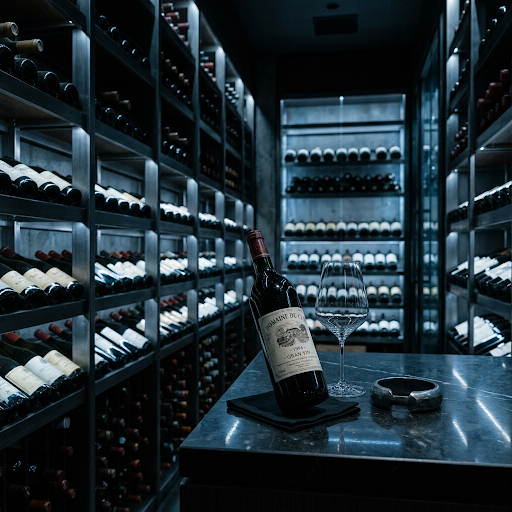
Too much wine inventory can trap working capital even when the cellar looks impressive. The key is separating intentional depth from stock that no longer has a clear purpose.
What Is Slow-Moving Wine Inventory?
Slow-moving wine isn’t automatically bad inventory. The important question is whether the bottle has a strategic reason to remain in the cellar.
What Does Inventory Turnover Tell You About a Wine Program?
Inventory turnover connects the value sitting in a wine cellar to the sales generated from it, helping operators understand whether capital is moving efficiently.
Can a Large By-the-Glass Program Hurt Bottle Sales?
A strong BTG program can improve the guest experience while unintentionally reducing bottle demand. The key is making sure both programs support the same inventory strategy.
What Should a Restaurant Do With Wine That Isn’t Selling?
Before removing slow-moving wine, determine why it isn’t selling. The right response depends on pricing, placement, staff engagement, demand, and the role of the bottle.
What Makes Secondary-Market Wine Difficult to Manage?
Secondary-market wine can add rare bottles to a restaurant cellar, but it also introduces more complexity around provenance, condition, storage, ownership, and tracking.
Why Does Back-Vintage Wine Matter on a Restaurant Wine List?
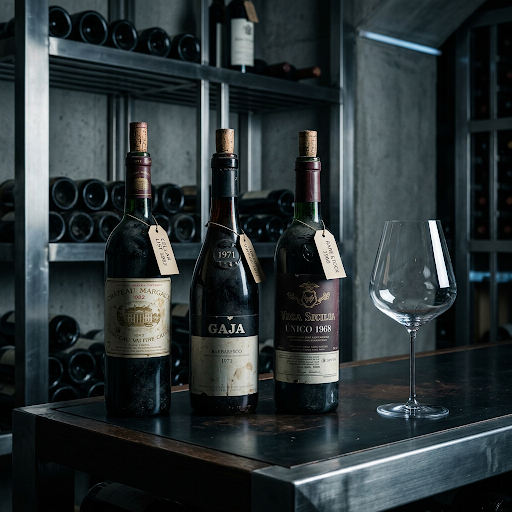
Back-vintage wine gives restaurants the ability to show depth across producers and regions, creating more opportunities for guest discovery and thoughtful curation.

How Does Wine Sourcing Affect Restaurant Cash Flow?
Every wine purchase converts cash into inventory. A better sourcing strategy helps restaurants control how much capital is tied up in the cellar and how efficiently it moves.
Why Might a Restaurant Use Consignment Wine?
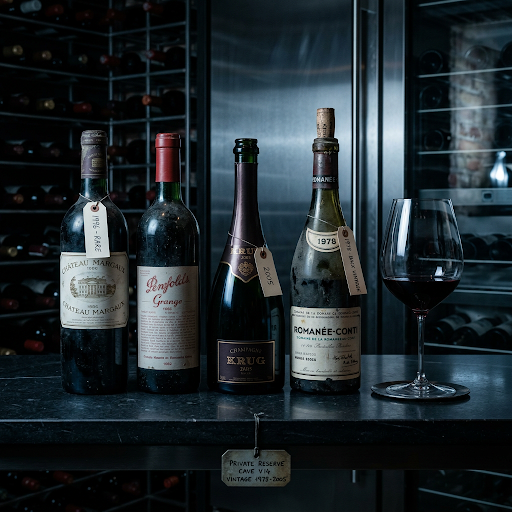
Consignment wine can help restaurants access rare and older bottles while reducing upfront inventory investment. The value comes from what the wine adds to the program.
What Is Wine Consignment in a Restaurant?
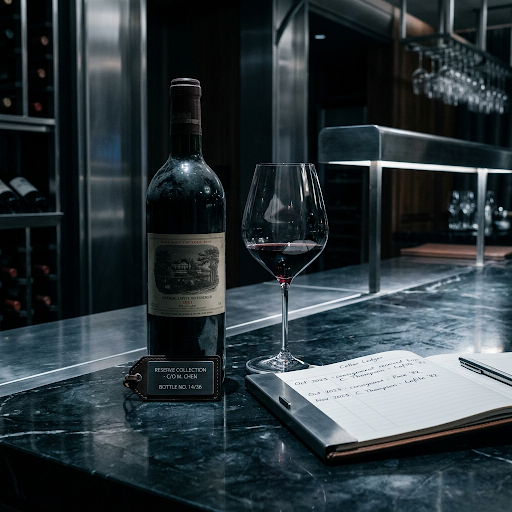
Wine consignment allows restaurants to access wine without necessarily purchasing every bottle upfront. It can improve access to rare inventory while changing the usual cash-flow model.