

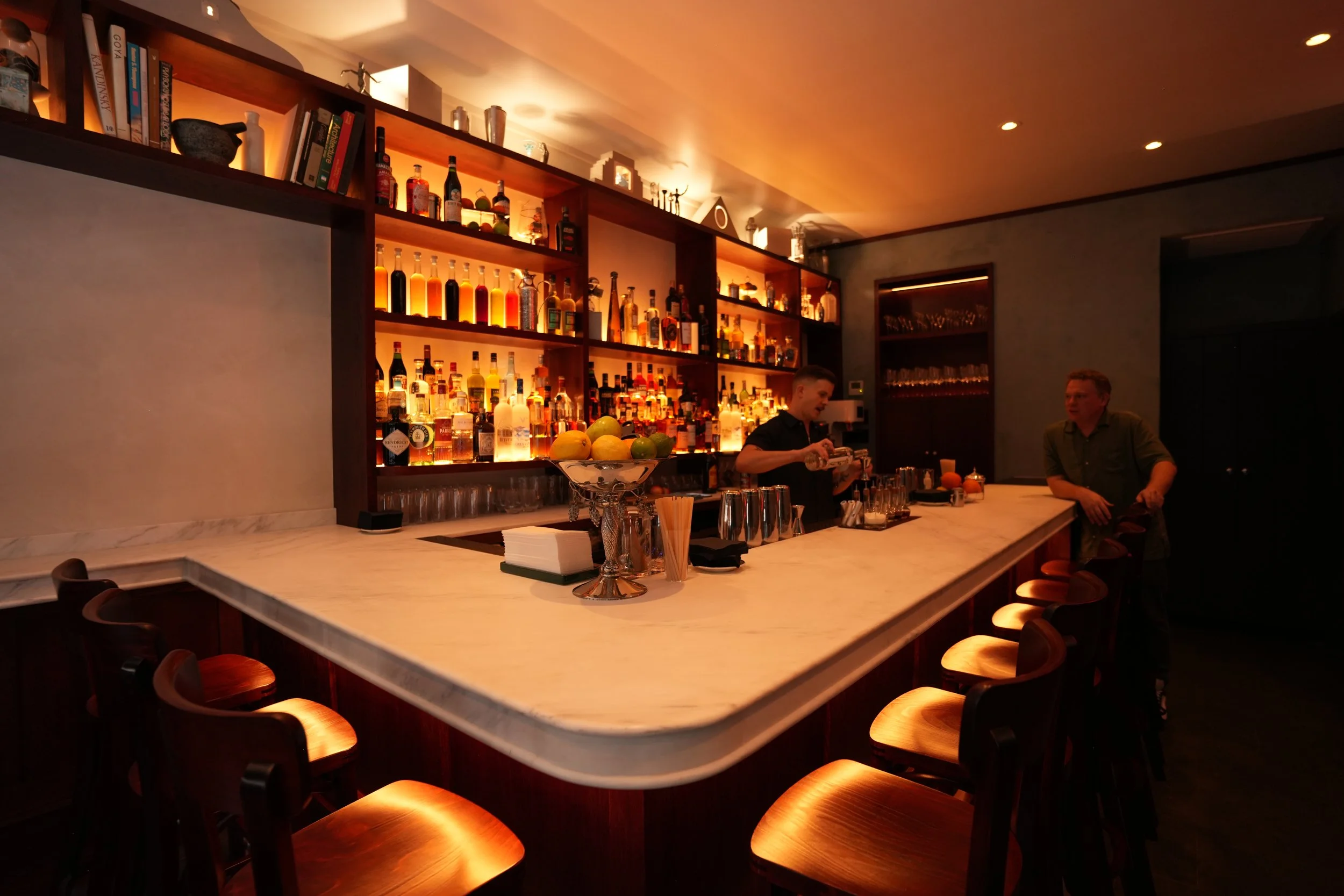
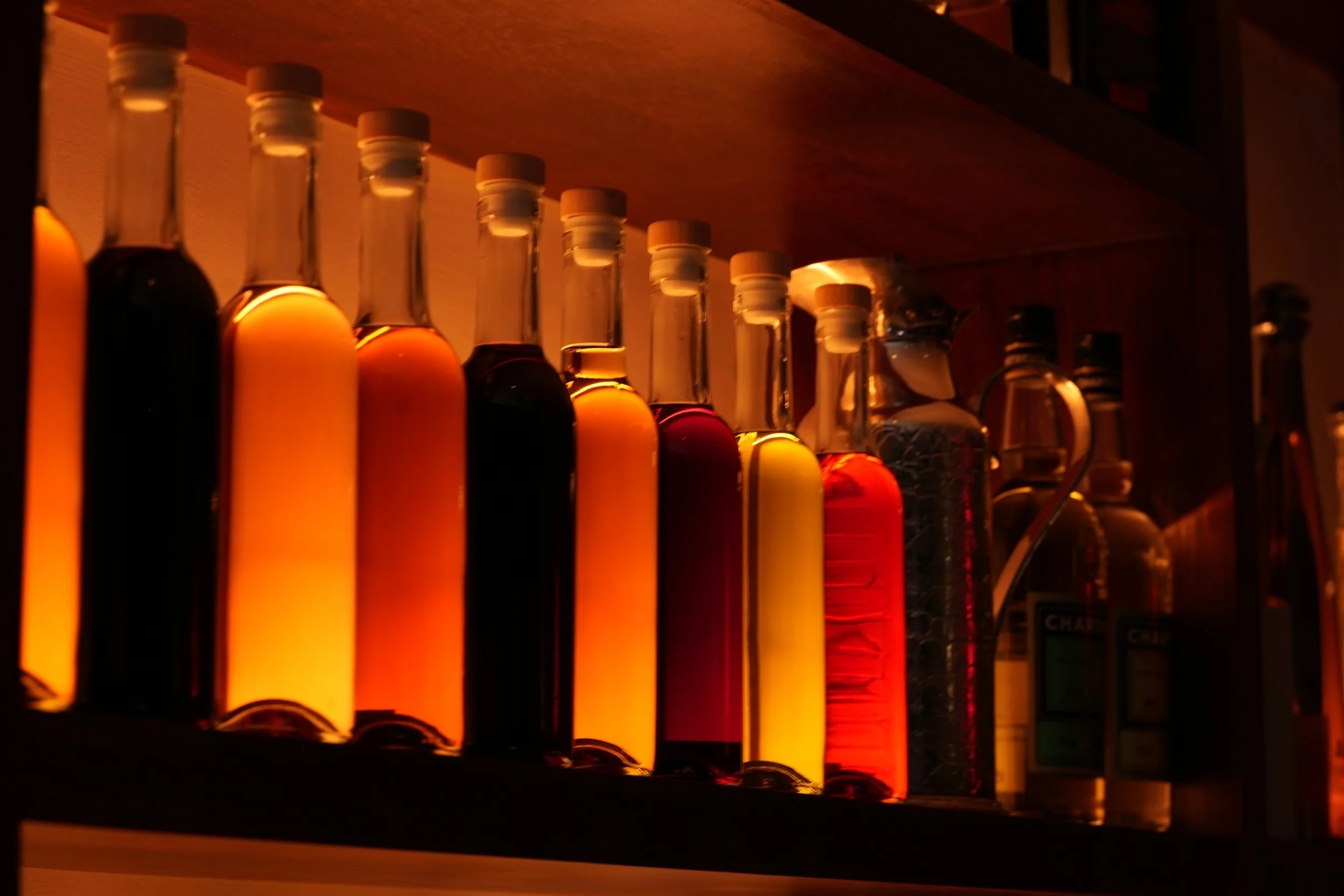
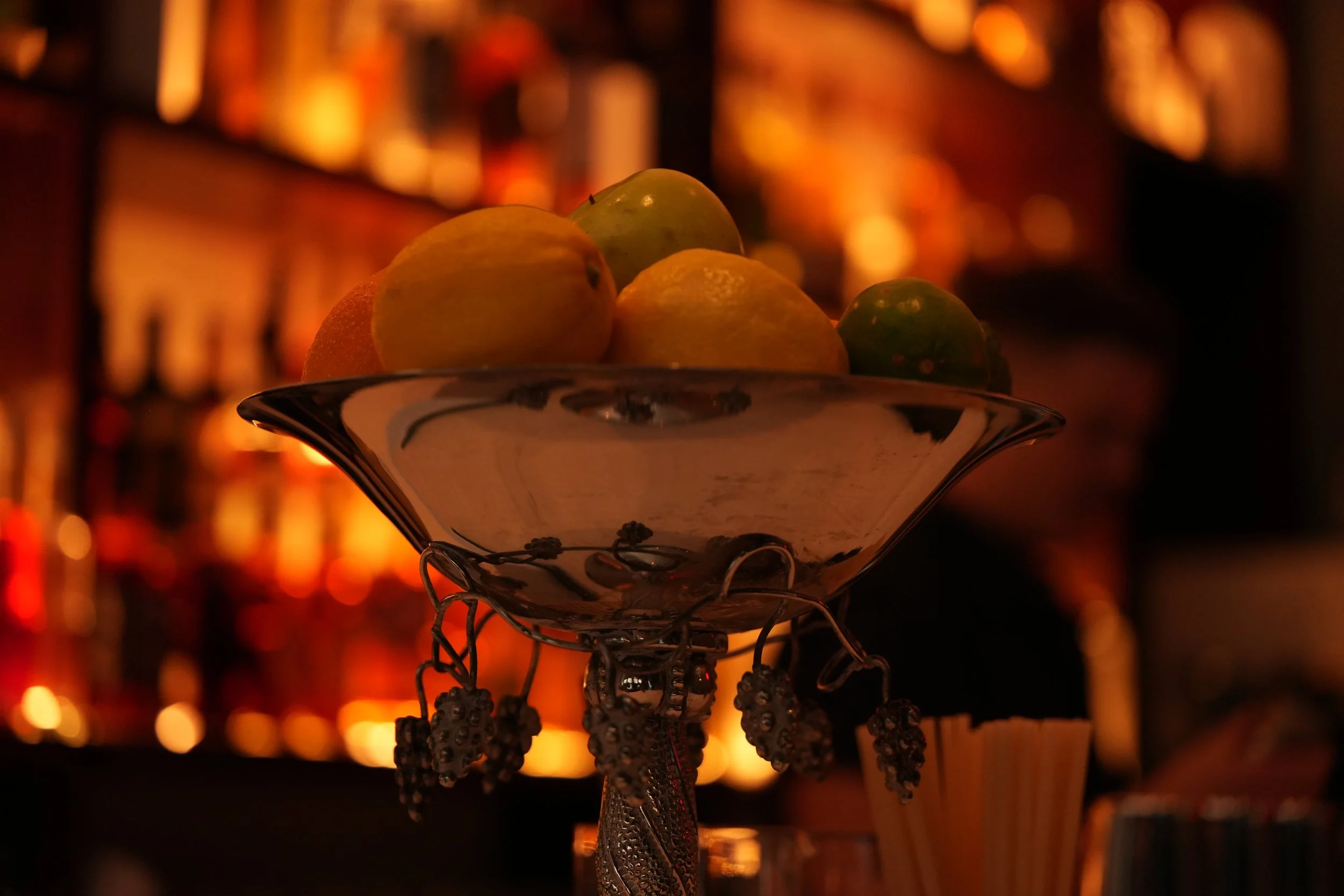
Cocktail Test Kitchen, a bar concept by we at iBEVs, is now open.
CTK is our New York City cocktail bar located in Hell’s Kitchen. Twenty-two seats, 400 square feet.
We chose Hell’s Kitchen because of its central location, walkability, and neighborhood vibe.
We spend endless hours working with operator-clients on how they should price and curate their menus, and this is where we put it into practice for ourselves. We lead with value through delicious cocktails, and we adjust by learning more from our own data.
This is our very own R&D lab. We use the space to work with existing and future clients to build beverage systems that are tried, tested, and ready for their own unique ecosystems.
CTK and iBEVs partners Brad Nugent, Patrick Wert and James Kaspari have all spent enough time in restaurants to know that New York can be brutal towards new openings.
Since we teach operators how to launch and optimize meaningful beverage programs, we wanted a space to demonstrate and document freely, despite the harsh climate for businesses selling alcohol today.
Before CTK, we spent years working inside of serious wine and cocktail programs in New York and abroad. Building, managing, breaking, and reassembling them.
After many successful launches, we decided to open our own consulting firm (iBEVs) to help more F&B businesses master the basics or run with new methods to conduct successful hospitality through beverage.
Since opening, Cocktail Test Kitchen has been labeled an "experimental drinking lab" and a "cocktail R&D bar." Those are accurate, but the idea is simpler than it sounds.
Speed and design matter, and checking those boxes can win some of the people over some of the time.
But accurately measured changes and actionable strategy generally only take place at higher levels of hospitality, and still can be unwieldy for most. The effect of change is almost never analyzed, and becomes even more essential if the business expands to more locations.
Our bar itself is intimate. When you walk into the room, you're instantly a part of it.
Our bartenders produce technically precise cocktails at high speed. The pricing is approachable. The room is warm and unmistakably New York.
If we can successfully run massive beverage programs that begin with milk and finish with rare Burgundy, then Cocktail Test Kitchen is our opportunity to concentrate what we know into a space that can feel everything.
So What Are We Trying to Prove?
That we can support anyone who wants to deliver a better beverage program and make more money.
Not by forcing one model onto every concept, but by finding the decisions that matter most, measuring what they change, and building on top of that.
Pricing affects velocity. Purchasing affects cashflow. Training affects sales. Prep affects speed. Storage affects labor. Menu design affects what and how guests actually order.
A decision in one place usually presents displacement elsewhere.
This is where CTK becomes so useful to us.
We can make a change on Monday, operate through it, and see what happens by Friday.
Did service get faster?
Did the team gain momentum?
Did guests respond positively?
Did we sell more?
Did we solve one problem and accidentally create another we can't see yet?
Then we adjust.
We're not looking for one perfect operating system. We are looking for small improvements that produce small wins all over the place. More importantly, we want to understand and harness them.
We believe there is an ocean of F&B businesses today that could instantly benefit from knowing how to measure and respond to their current situation beyond faster touch times and a clean dining room, beneficial as they are. We've also worked in this industry long enough to know the difference between closure, survival, and success when the economy changes its tune.
If that principle is real, we should be able to prove it here.
And if it works in a 22-seat cocktail bar in Hell’s Kitchen, the more interesting question is which components can transfer to a steakhouse, hotel, wine bar, neighborhood restaurant, or any other operation trying to make beverage perform better.
Small Rooms Expose Big Problems
CTK gives us very little room to cover mistakes.
Before friends and family, we were still putting the final pieces together.
Only the mailbox said Cocktail Test Kitchen because the neon hadn't arrived yet. A curtain was going up at the entrance to give the room some separation from the traffic and faces passing by outside.
Inside, the team was finishing cocktails, tasting food, stocking the bar, and working through the details that become invisible once service starts.
Pizza bagels.
Tots.
Sandwiches.
Olives.
And, finally, two cases of Miller Lite delivered shamelessly through DoorDash.
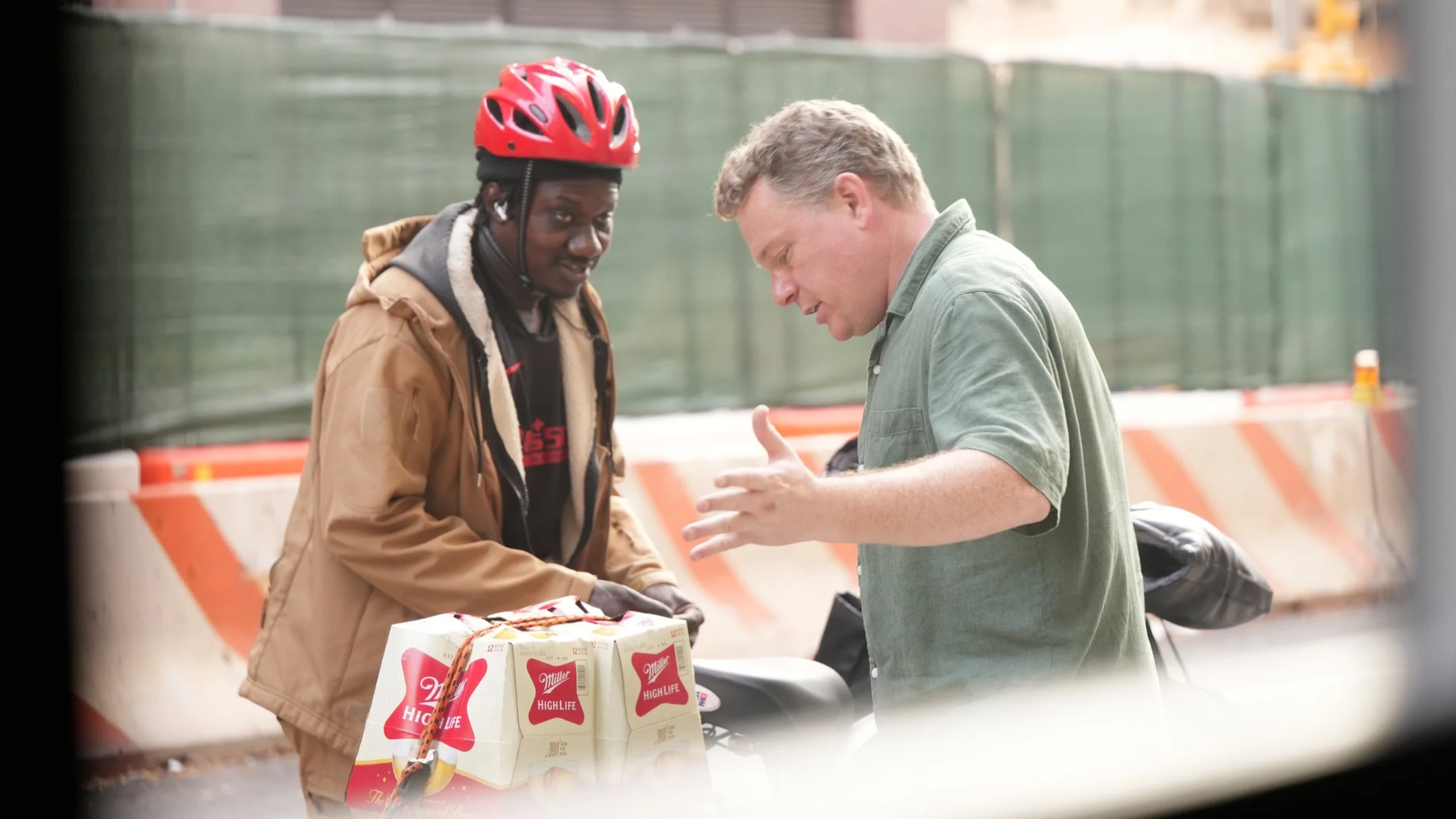
Still the only beer on the menu.
It sounds minuscule, but it reflects how we think about the program.
Not everything needs to be complicated to be good.
A product needs a job.
Sometimes the job is experimentation. Sometimes it is margin. Sometimes it is speed. Sometimes it supports another part of the menu.
Sometimes people just want a Miller Lite.
The same is true operationally.
Where does the bottle live?
Where does the bartender reach?
Who cuts garnish?
Who makes citrus?
Who washes the glass?
What happens when two people need the same station at once?
Small decisions become service very quickly.
That's exactly why we wanted the room.
Give Good People More Room to Be Good
One of the first things we started testing was how broadly a role should be defined.
We hired two people for the kitchen while food sales were still developing.
If you only looked at food revenue, that decision could appear foolish.
But their value was never supposed to stop at the kitchen door.
Once food prep is handled, there is glassware to wash and polish. Garnish to cut. Citrus to juice. Syrups to make. Cocktails to batch. Products to stock. A bar to prepare for service.
Those jobs already exist.
The question is who should own them.
Every task we can move into a clear, repeatable process gives someone else a little more capacity.
For James, lead bartender and partner, that means less time checking whether lemons were juiced or a station was stocked, and more time actually running the bar:
Watching service.
Supporting the team.
Talking to guests.
Finding bottlenecks.
Thinking about happy hour.
Making the cocktails better.
That's a small operational win with a much broader downstream effect.
The same logic applies to training.
Teach someone how to make simple syrup correctly and you have not taught them one recipe. You've given them the foundation for cane syrup, cinnamon syrup, and whatever comes next.
Teach someone the entire glassware cycle instead of one piece of it, and they begin to understand the surrounding system and objective.
Rinse. Dump. Fill. Run. Pull. Polish. Reset.
Now they know what happens before them, what happens after them, and why their part matters.
We like people who know more than one thing.
Not because everyone should do everything, but because a cross-trained team can solve more problems without waiting for the one person who knows how.
Complexity should be earned.
Get the basics right, build confidence, then add the next skill.
Done properly, training does more than teach someone how to perform a task.
It gives the entire operation more room to move.
The Guest Is Part of R&D
This is where Cocktail Test Kitchen earns its name.
Most beverage R&D happens before the guest ever arrives.
A drink gets developed, tasted internally, revised, costed, trained, placed on a menu, and eventually somebody pays for it.
We get to shorten the loop.
At CTK, the guest is part of the test because we are actively watching to see:
Do they like their selection?
Do they order another?
Do they understand what it is without a spiel?
Can it be made quickly when the room is full?
Can quality standards remain high over time?
Does it sell at the price we need?
Would anybody miss it if we took it off the menu tomorrow?
These are questions that matter and should be asked constantly.
A cocktail can be creatively successful and operationally terrible.
Knowing comes by listening to what guests say and watching what they do.
What sells.
What repeats.
What gets left unfinished.
What gets ordered together.
What changes by day of week.
What happens when we move the price.
What happens when we change the preparation.
What happens when we make the bartender’s job easier.
The bar can generate revenue while generating information. A useful combination.
Data Should Lead to a Decision
We're not interested in collecting data to geek out on customer behavior patterns.
Reports that don't inform what happens next will drain your business.
CTK gives us a growing set of real operating information: sales, product mix, inventory movement, prep, labor, execution, and guest behavior.
"How much should we prep for Friday? How much should we batch before service? What should our par levels be? Is a cocktail selling because people love it, or because it sits in the easiest place on the menu? Are we adding labor where the guest can actually feel its impact? Are we holding onto anything we shouldn't be?"
That's where data starts becoming strategy: Make a change > Measure the result > Tweak > Measure > Repeat.
That loop is one of the main reasons we opened Cocktail Test Kitchen.
Small Inventory Still Needs Modern Systems
CTK doesn't have a massive wine program. Modest, for sure.
That doesn't mean we get to be sloppy with it.
Before opening, we spent time downstairs stocking wines for our small project wine list, assigning locations, and making sure the physical bottles matched what the system said we owned.
It's basic work, but it's also where inventory problems start.
Was the bottle entered in Bevrly correctly?
Is the vintage correct?
Is it mapped to our point of sale?
Is it tagged to a location in our systems?
Can someone other than the person who stocked it find it?
A bottle can physically exist in the building while being operationally invisible.
Omitted procedures grow expensive quickly.
At CTK, if something is wrong, we can walk downstairs and probably find the answer.
Try doing that with 800 SKUs spread across multiple storage areas during service in a large-scale restaurant.
The larger the program gets, the less room there is for someone's memory to supersede the system.
Clean inputs give us clean visibility.
Systems that tell us before we even need to ask:
What moved.
What didn't.
What to reorder.
What to discontinue.
What's aging that shouldn't be?
Does the wine or spirits list reflect what guests are actually willing to buy?
Inventory management is not about knowing how many bottles you own.
It is about knowing what those bottles are doing for the business.
And just like everything else at CTK, the goal is not more reporting but the appropriate next step.
The Bar Still Has to Work as a Bar
All the systems, data, and operational theory mean very little if people don't actually want to be there.
Our soft opening gave us our first real look.
The room filled up quickly. People ordered cocktails and bites from the menu, talked, moved around, and many stayed until we closed.
Within 400 square feet, guests become part of the atmosphere almost immediately. There isn't much distance between the bar, the tables, the team, or the people sitting next to you.
Everything matters.
We wanted CTK to look polished without feeling fragile.
Our mixologists perform without stealing the show or the moment from guests across the bar.
They deliver high-end service at fair neighborhood prices, something we hope Hell's Kitchen craves.
Because we are so interested in how processes and curation impact guest satisfaction and spend, we expect the unique data sets we're aiming to produce to be valuable to bar and restaurant operators interested in exploiting every ounce of potential beverage profit.
We can measure a lot of things at CTK.
But one of the most important metrics is still very simple:
Do people want to come back?
If the answer is yes, then we can start asking why.
Pursuing the Lost Art of CRM in Hospitality
We were fortunate to receive early attention from The New York Times and Eater.
We'll take every bit of publicity that comes our way.
Opening a restaurant is hard enough. Getting people to notice it is part of the job.
Media coverage can introduce CTK to the neighborhood, but it can't make the neighborhood like us.
That happens on an ordinary weekday.
Does the bartender remember your name and order?
Does the cocktail arrive as expected?
Does another round feel like a good idea?
Does the price make you feel welcomed instead of cheated?
Will you bring a friend next time?
These are harder outcomes to manufacture, yet ultimately matter most.
A 2026 Toast and Resy study found that only 30% of surveyed diners consistently felt recognized by restaurant staff, despite nearly half saying recognition makes them feel most valued.
A CRM filled with customer information doesn't generate revenue unless F&B businesses identify changes in guest behavior to personalize outreach, then measure whether marketing actually produces an increase in visits and overall sales.
Today, drinking culture is declining with costs on the rise. Operators have less room to carry weak brands, unnecessary labor, or stagnant frameworks.
Even popular bars and restaurants have a tendency to under-leverage beverage.
The drink should always land before the food order to kickstart an experience.
Beverage is your first impression, and great kitchens will always fall short of their potential success without beverage frameworks that produce unexpected delight. Those frameworks include menu development, pricing architecture, inventory strategy, staff education, and knowing when a product has stopped earning its place.
iBEVs believes that meaningful beverage frameworks can turn today's gap in acumen and drinking culture into an advantage. All an operator needs is the right frame of mind.
Better sales analysis becomes better purchasing.
Better prep creates faster service.
Better training creates confident staff.
Better curation makes decisions simple for guests.
Better measurements tell us which tweaks to any of the above actually move the needle in bottom-line revenue.
CTK gives us a place to test the entire chain ourselves in an attempt to fill our business while most others are empty.
Not just for flashy cocktails. That part's easy.
The real question is whether we can build a drinking establishment that people choose with confidence every single time.
We'll Keep Showing Our Work
Cocktail Test Kitchen gives us a place to put our own advice under pressure.
We can change pricing, retrain processes, adjust par levels, restructure menus, or rethink the flow of service, then watch what happens because we've done this before.
Some ideas will work.
Some won't.
Others may work at CTK in Hell's Kitchen and make absolutely no sense for our next CTK elsewhere.
That's part of the point.
Good beverage strategy isn't about copying. It's about keeping your finger on the pulse of the business well enough to know what to change next.
We intend to keep documenting those changes as the bar grows.
What drove more sales.
What bogged service down.
What guests actually remarked on.
What they didn't.
What made the team better.
What turned out to be a bad idea.
And which small changes were felt in more ways than one.
If we're going to advise other operators on beverage, we should be willing to demonstrate the work publicly.
Opening a Restaurant?
Our Roadmap to Opening Night lays out the beverage decisions we believe operators should work through from concept development through first service.
Already Operating?
Our Wine List Health Check gives you 16 checkpoints for finding friction, missed opportunities, and places where a wine program may be leaving money on the table.
CTK is open.
We'll keep showing you what happens next.
