
How Do You Know If a Restaurant Has Too Much Wine Inventory?
Too much wine inventory can trap working capital even when the cellar looks impressive. The key is separating intentional depth from stock that no longer has a clear purpose.
What Does Inventory Turnover Tell You About a Wine Program?
Inventory turnover connects the value sitting in a wine cellar to the sales generated from it, helping operators understand whether capital is moving efficiently.
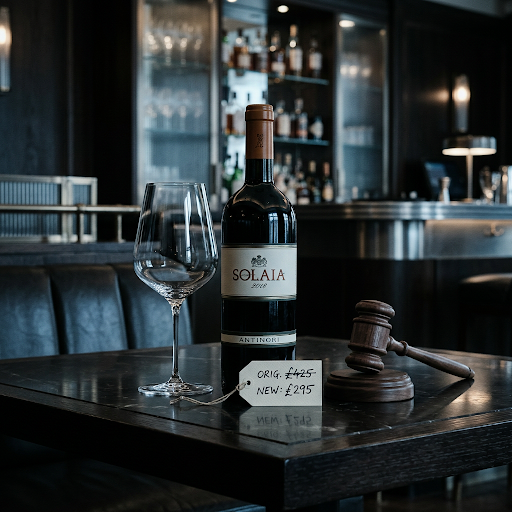
What Should a Restaurant Do With Wine That Isn’t Selling?
Before removing slow-moving wine, determine why it isn’t selling. The right response depends on pricing, placement, staff engagement, demand, and the role of the bottle.
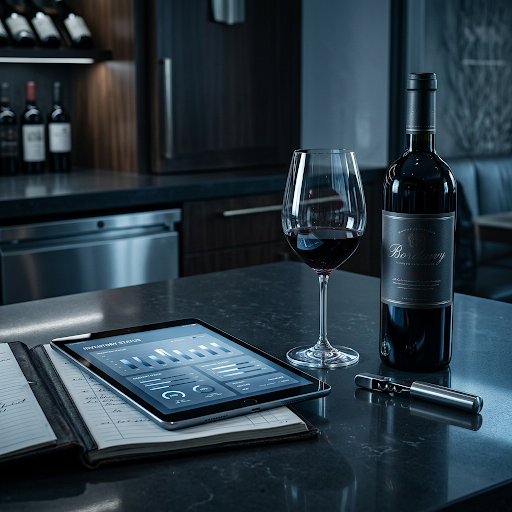
Should Restaurants Use Beverage Inventory Software or a Spreadsheet?
Spreadsheets can work for smaller beverage programs, but complexity eventually creates blind spots. Learn when inventory software becomes valuable and what restaurants should expect a good system to track and surface.
How Much Beverage Inventory Should a Restaurant Carry?
The right beverage inventory level depends on sales, storage, supplier reliability, seasonality, and purchasing frequency. The goal is not minimum inventory, but the right amount of capital in the right products at the right time.

How to Do Liquor Inventory in a Restaurant
Accurate liquor inventory starts with consistent physical counts, properly recorded purchases, and reliable sales data. Learn the basic process restaurants should use to identify variance, prevent stockouts, and improve ordering.
What Is Wine Inventory Management?
Wine inventory management connects purchasing, sales, physical counts, costs, aging, and stock levels so restaurants can understand what their cellar owns, what is moving, and where capital may be sitting too long.