
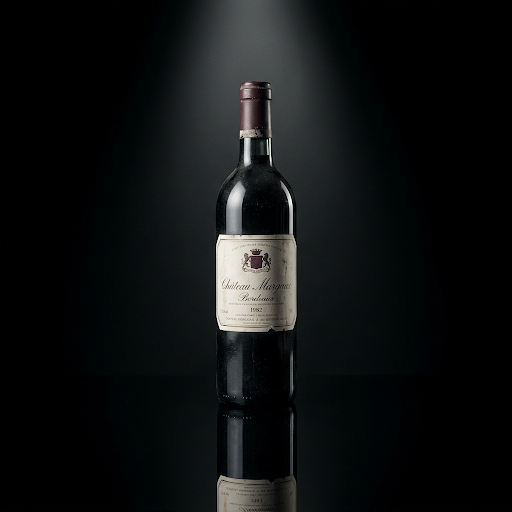
When Is Slow-Moving Wine Worth Keeping?
A slow-moving bottle can still belong in a restaurant cellar when aging, vintage depth, scarcity, or guest demand gives it a clear strategic purpose.
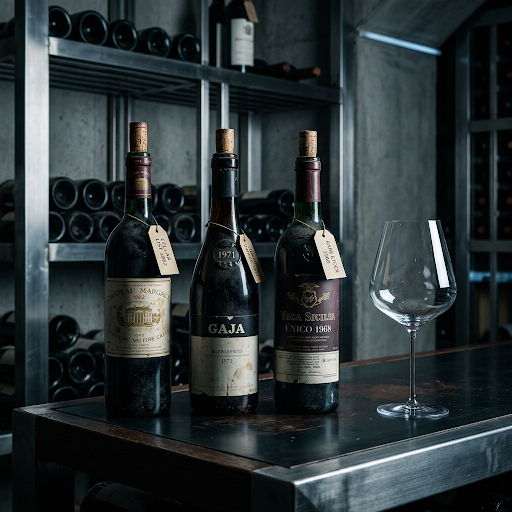
Why Does Back-Vintage Wine Matter on a Restaurant Wine List?
Back-vintage wine gives restaurants the ability to show depth across producers and regions, creating more opportunities for guest discovery and thoughtful curation.
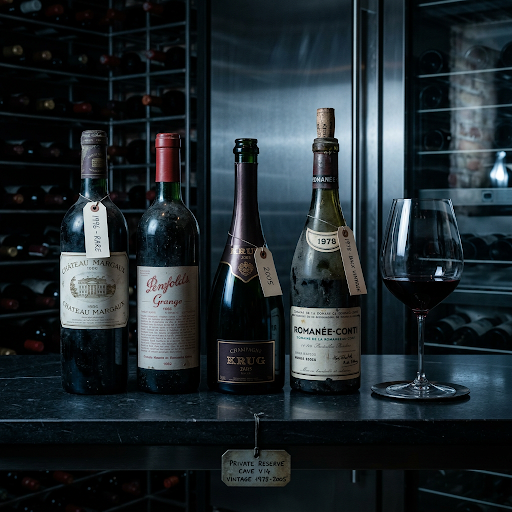
Why Might a Restaurant Use Consignment Wine?
Consignment wine can help restaurants access rare and older bottles while reducing upfront inventory investment. The value comes from what the wine adds to the program.

How do distributor and wine-buying relationships affect a wine list's quality?
Access to allocated wines and prestige producers is not luck. It is the result of sustained, intentional distributor relationships. Brad and Pat explain how buying relationships determine what ends up on a wine list.

What does beverage program coherence mean and why does it matter?
Beverage program coherence means the wine list and restaurant concept speak the same language. When they align, guests trust the program faster and spend more. When they don't, even a great list underperforms.